
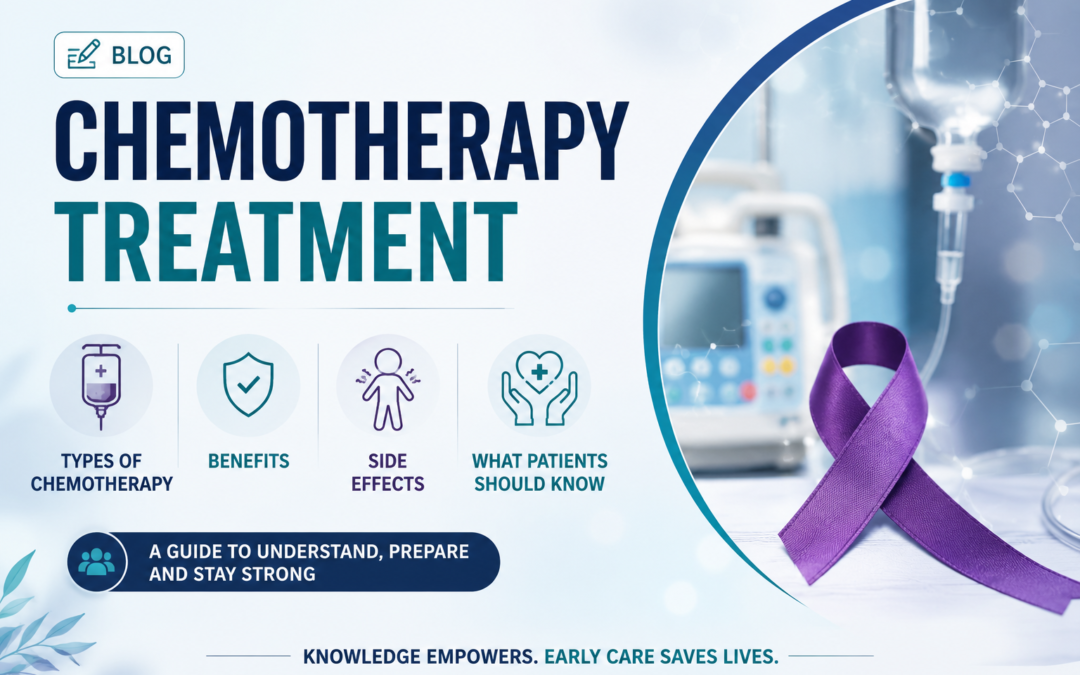
A cancer diagnosis can bring many questions about treatment options, recovery, and what to expect during the journey. Chemotherapy treatment is one of the most widely used approaches for treating cancer. Depending on the type and stage of cancer, chemotherapy may be used alone or together with surgery, radiation therapy, immunotherapy, or other treatments.
Understanding types of chemotherapy, its potential benefits, and possible side effects can help patients and families feel better prepared for discussions with their healthcare team.
What Is Chemotherapy Treatment?
Chemotherapy is a cancer treatment that uses medicines designed to destroy cancer cells or slow their growth. Cancer cells generally grow and divide more rapidly than many normal cells, making them vulnerable to certain chemotherapy medicines.
Chemotherapy may be recommended with different goals. In some situations, it may be used to eliminate cancer cells and achieve remission. In other cases, it may help shrink a tumour before surgery or radiation therapy, reduce the risk of cancer returning after primary treatment, or control cancer growth and relieve symptoms in advanced disease.
The choice of treatment depends on several factors, including the type of cancer, its stage, tumour characteristics, overall health, and previous treatments.
Types of Chemotherapy
There are several types of chemotherapy, and the treatment approach varies according to the patient’s individual medical needs.
1. Intravenous Chemotherapy
Intravenous (IV) chemotherapy is administered directly into a vein. Depending on the medicines being used, treatment may be given through a regular IV or a specialised access device. Some chemotherapy sessions may take only a short time, while others can require several hours.
2. Oral Chemotherapy
Some chemotherapy medicines are available as tablets or capsules. Patients taking oral chemotherapy must follow their prescribed schedule carefully and understand how to store and take the medication safely.
3. Combination Chemotherapy
Doctors may prescribe more than one chemotherapy medicine because different medicines can work in different ways. Combining medicines may improve treatment effectiveness for certain cancers.
4. Chemotherapy with Other Cancer Treatments
Chemotherapy may be combined with surgery, radiation therapy, targeted therapy, or immunotherapy depending on the cancer and treatment plan. In some cases, chemotherapy is given before surgery to shrink a tumour, while in others it may be given after surgery to help destroy remaining cancer cells.
Benefits of Chemotherapy
The benefits of chemotherapy depend on the cancer type, stage, treatment plan, and individual response.
One important benefit is that chemotherapy can destroy or control cancer cells. For some cancers, chemotherapy can contribute to remission or cure. It may also reduce the size of a tumour before surgery, making the tumour easier to remove in selected cases.
Chemotherapy given after surgery may help reduce the risk of cancer returning when microscopic cancer cells may remain in the body. In advanced cancer, chemotherapy may help slow disease progression and manage symptoms, potentially improving quality of life.
It is important to remember that chemotherapy does not have the same outcome for every patient. Your oncologist will explain the expected goals and potential benefits based on your specific diagnosis.
Side Effects of Chemotherapy
Chemotherapy medicines can affect healthy cells as well as cancer cells, particularly cells that naturally grow and divide quickly. As a result, patients may experience side effects of chemotherapy.
Common side effects can include:
- Fatigue and weakness
- Nausea or vomiting
- Reduced appetite
- Hair loss
- Mouth sores
- Changes in taste
- Constipation or diarrhoea
- Lower blood cell counts
- Increased risk of infections
- Skin or nail changes
Not every patient experiences the same side effects, and their severity can vary. Some side effects may occur during treatment, while others can develop later. Many can be prevented or managed with medicines, dietary adjustments, rest, and supportive care.
Patients should inform their healthcare team about new or worsening symptoms rather than stopping treatment or changing medication on their own.
Managing Life During Chemotherapy
Maintaining adequate nutrition, staying hydrated when medically appropriate, getting enough rest, and following the healthcare team’s recommendations can support patients during treatment. Gentle physical activity may also be beneficial for some patients, but activity levels should be discussed with the treating team.
Emotional support is equally important. Talking with family members, counsellors, support groups, or healthcare professionals can help patients manage the emotional challenges associated with cancer treatment.
Patients should also attend scheduled appointments and blood tests because doctors may need to monitor blood counts, organ function, treatment response, and potential complications throughout chemotherapy.
When to Seek Medical Advice
Certain symptoms during chemotherapy require prompt medical attention. Fever, chills, difficulty breathing, unusual bleeding, severe vomiting or diarrhoea, confusion, or sudden worsening of health should be reported to the healthcare team immediately.
Patients receiving chemotherapy should keep their oncology team’s emergency contact information readily available and follow the specific instructions provided by their treatment centre.
Making an Informed Treatment Decision
Chemotherapy is an important cancer treatment that has helped many patients manage or overcome different types of cancer. However, the most appropriate treatment varies from person to person.
Understanding chemotherapy treatment, the different types of chemotherapy, its potential benefits, and possible side effects can help patients participate more confidently in treatment discussions.
If you or a loved one has been advised to undergo chemotherapy, speak with a qualified oncologist about the recommended treatment plan, expected outcomes, possible risks, and supportive-care options. Every cancer journey is different, and personalised medical guidance is essential for making informed healthcare decisions.
